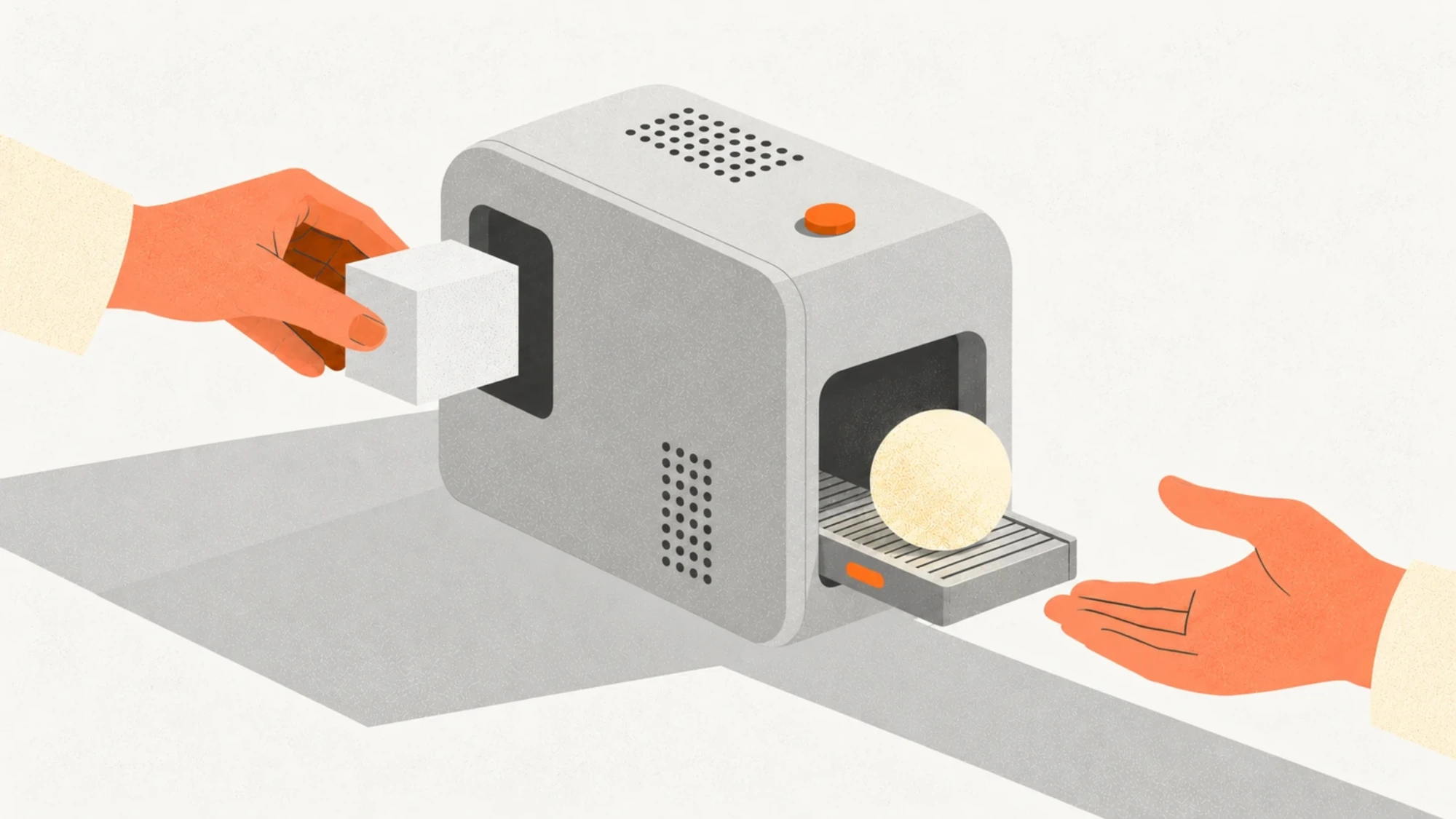
In 2015, we were discussing tools like The Grid and Squarespace, which promised to make website creation accessible to people without specialist skills.
My outlook was optimistic. Since Gutenberg, machines have expanded what people can do, transforming professions and skills along the way.
I believed then, and still believe now, that one of the fundamental reasons we develop new technologies is to help more people achieve things that were previously beyond their reach.
Eleven years later, artificial intelligence is accelerating this transformation, allowing us to delegate even tasks we considered creative to machines.
But perhaps the most interesting part is what AI allows us to do differently.
From design to prototype
Over the past few months, we have used AI to build interactive prototypes of a touchscreen interface for a medical device.
Designing these interactions means testing things that are difficult to assess through static screens: how a control behaves, how precise a gesture needs to be, and how easily a user can complete an action.
Interactive prototyping is nothing new. Until recently, though, building and modifying high-fidelity prototypes required time, expertise and, consequently, a substantial budget.
AI allowed us to turn our design hypotheses into working prototypes quickly, making it much easier to explore solutions and adjust their behaviour.
So far, you might say, we had simply worked faster.
The most interesting part, however, was still to come.
Exploring quickly
We began testing on the final product’s touchscreen hardware to see whether the interactions we had designed, which worked well with a mouse, were just as effective on the actual touchscreens.
What stood out was how quickly we could respond.
The client tested the interactions with users on the device and shared the difficulties they encountered. With AI, we designers could then modify the prototype and make the updated version available.
This allowed us to go through several rounds of testing and improvement without each change requiring extensive implementation work.
AI had helped us build a prototype and was now allowing us to produce new versions for testing quickly, substantially reducing project costs and helping us complete the work sooner.
The cost of changing your mind
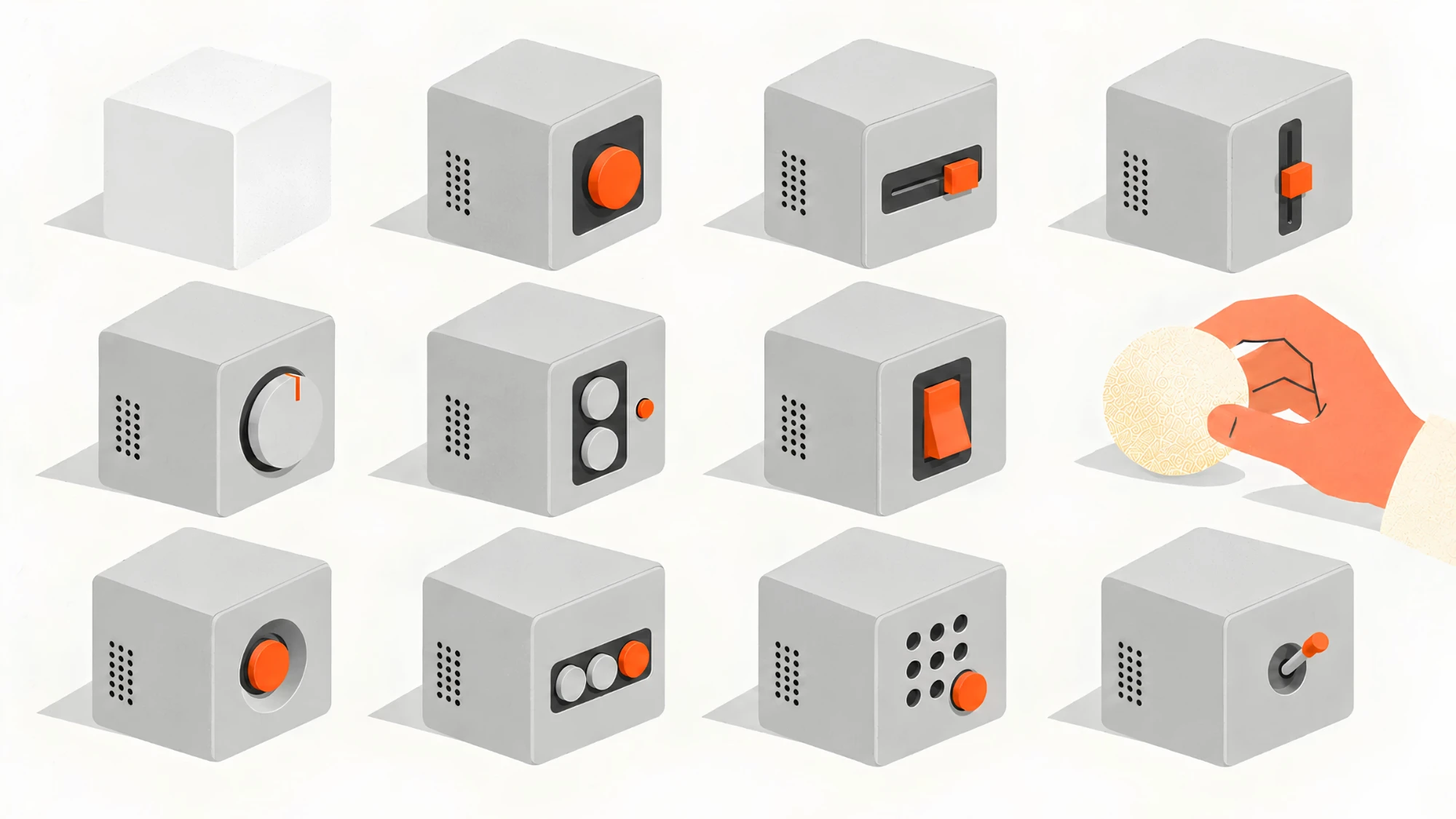
In this context, designing means forming hypotheses and trying to test them. But not every hypothesis costs the same amount to test.
When trying an alternative takes a lot of work, we inevitably tend to limit our experiments or hold on to solutions we have already invested in.
What happens when that cost falls dramatically?
In our case, we could iterate on prototypes much faster, exploring alternatives, testing them against real-world experience and revisiting decisions we had already made.
The same principle applies to many other kinds of work. Writing an email, preparing an article like this one, planning a project: these are all activities where AI can reduce the cost of producing a first version, revising it and starting again.
When changing our minds becomes easier, we can afford to explore more possibilities, compare them and improve them. Alongside working faster, we gain more opportunities to learn and make choices.
There is, however, a fundamental distinction: AI speeds up execution, but it does not determine the value of the goals we want to achieve.
We write an email to communicate something to someone. We design an interface to help a person perform an action. We organise a project to address a need.
These purposes come from people and their needs. Machines can help us fulfil them, but we are responsible for understanding those needs, setting priorities and assessing whether a solution is truly effective.
This is where our abilities as designers—and, first and foremost, as people—continue to make a difference.
And I believe they will continue to do so.
The easier it becomes to produce and modify solutions, the more it matters that we understand which problems are worth solving, for whom and why.
Artificial intelligence does not necessarily make our ideas better. It can, however, make them much easier and cheaper to realise and test. Recognising which ones have real value remains our responsibility.
Designers and machines, still working together
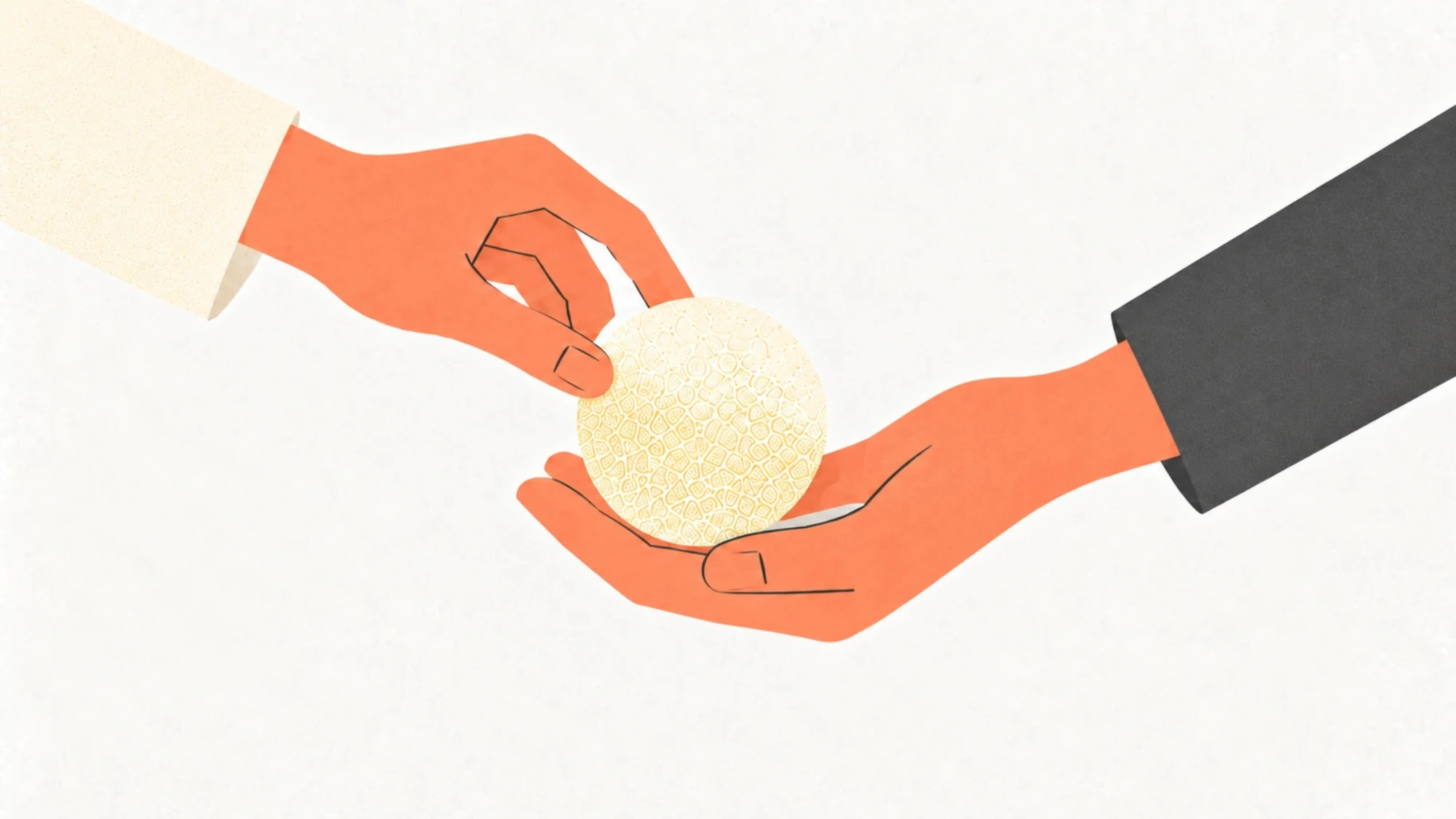
As machines become capable of handling a growing share of execution, our value cannot depend solely on our ability to perform those tasks. It will increasingly lie in understanding problems, defining goals and evaluating results.
This applies to designers, but also to many other professions. More broadly, it applies to anyone who uses technology to bring their ideas to life.
Eleven years ago, I believed there was little point in defending our skills simply because machines were learning to make them accessible to others. Today, I think we have an even more interesting opportunity.
We can devote less energy to execution and more attention to what we want to achieve, the people we work for and the reasons the work is worth doing.
Of course, this will not happen automatically. Having more powerful tools does not necessarily mean using them better. It will take expertise, critical thinking, sensitivity and judgement.
These are precisely the qualities we can continue to develop as designers and as people.
That is why I remain optimistic.
Perhaps the future of design will depend less on how well we can do what machines cannot yet do, and more on how well we can use what they can do to meet people’s needs.