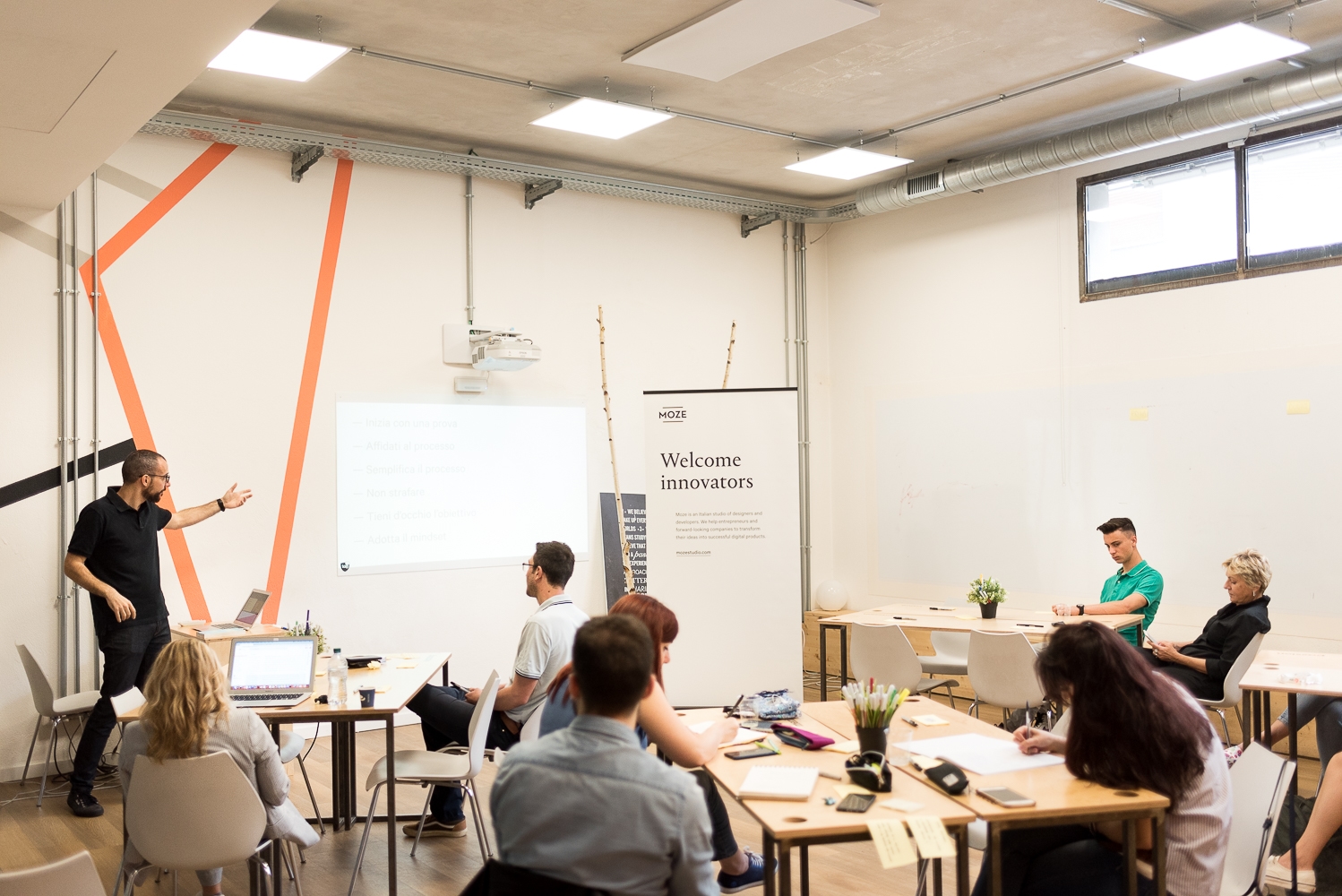
We created the Co-design Workshop to condense into a single process the value of different methodologies that we have studied and applied for years - including Design Sprint by Google Ventures, User Story Mapping by Jeff Patton, and Agile methodology for software development.
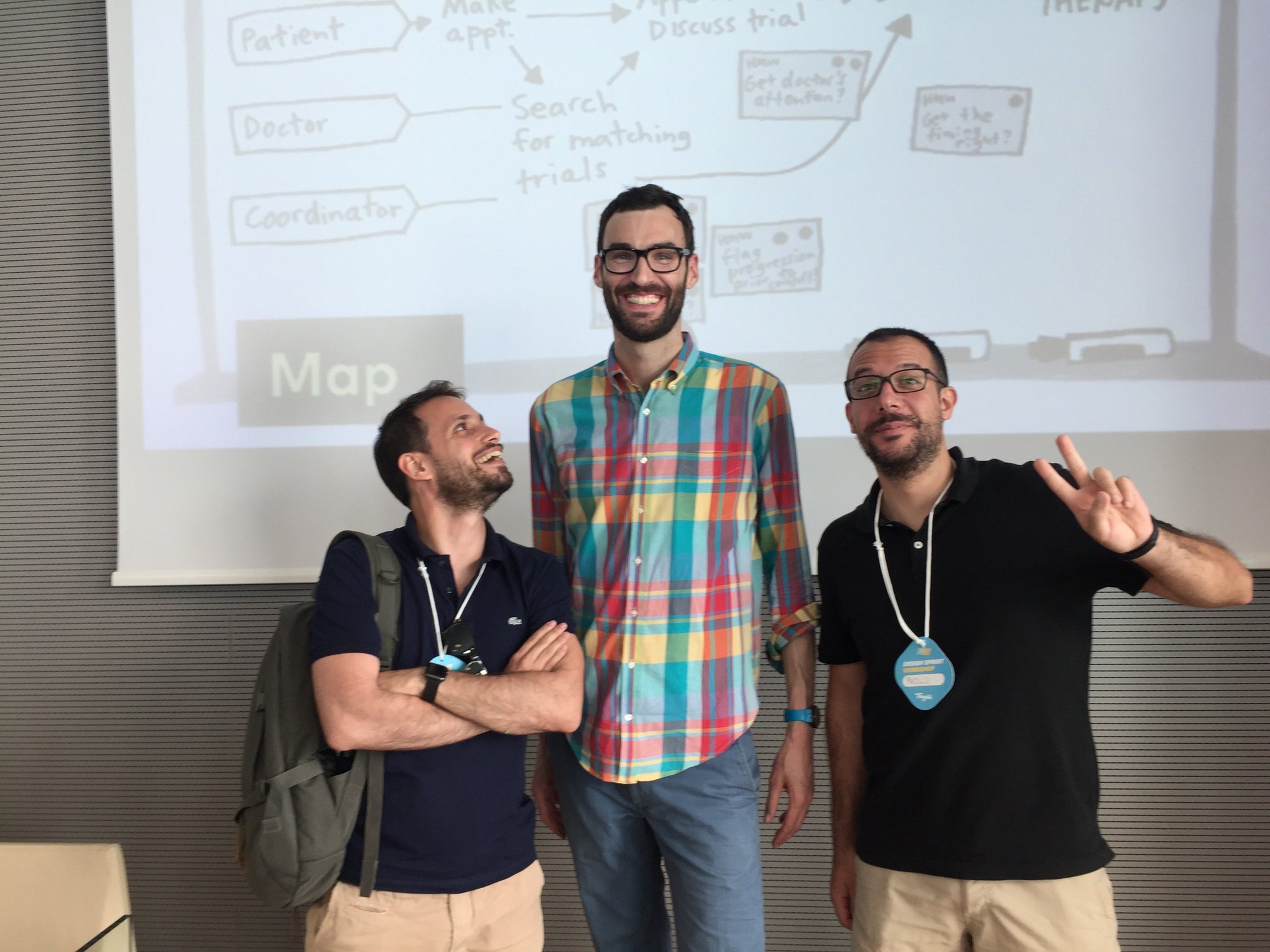
When to use it
The Co-Design Workshop is the right choice for you if:
- You want to design a new digital product and already have clear hypotheses about its business model, strategic partners and operating model;
- You want to evolve an existing digital product, starting from an analysis of the current experience and its opportunities for improvement;
- You need to align the people involved on the user experience, requirements and key technology choices before starting execution.
Krister Bagnkop Mobility Platforms Product Owner, Europcar Innovation Lab
How it works
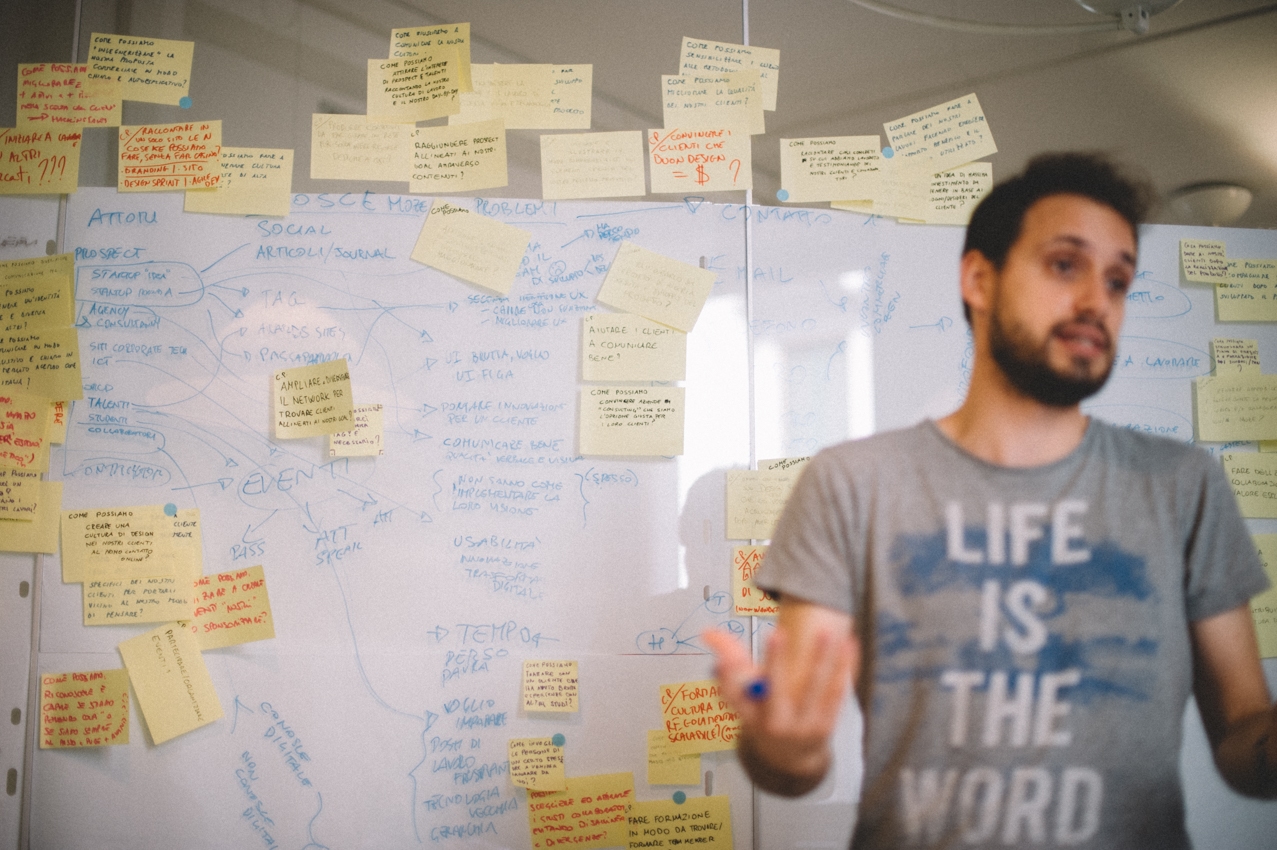
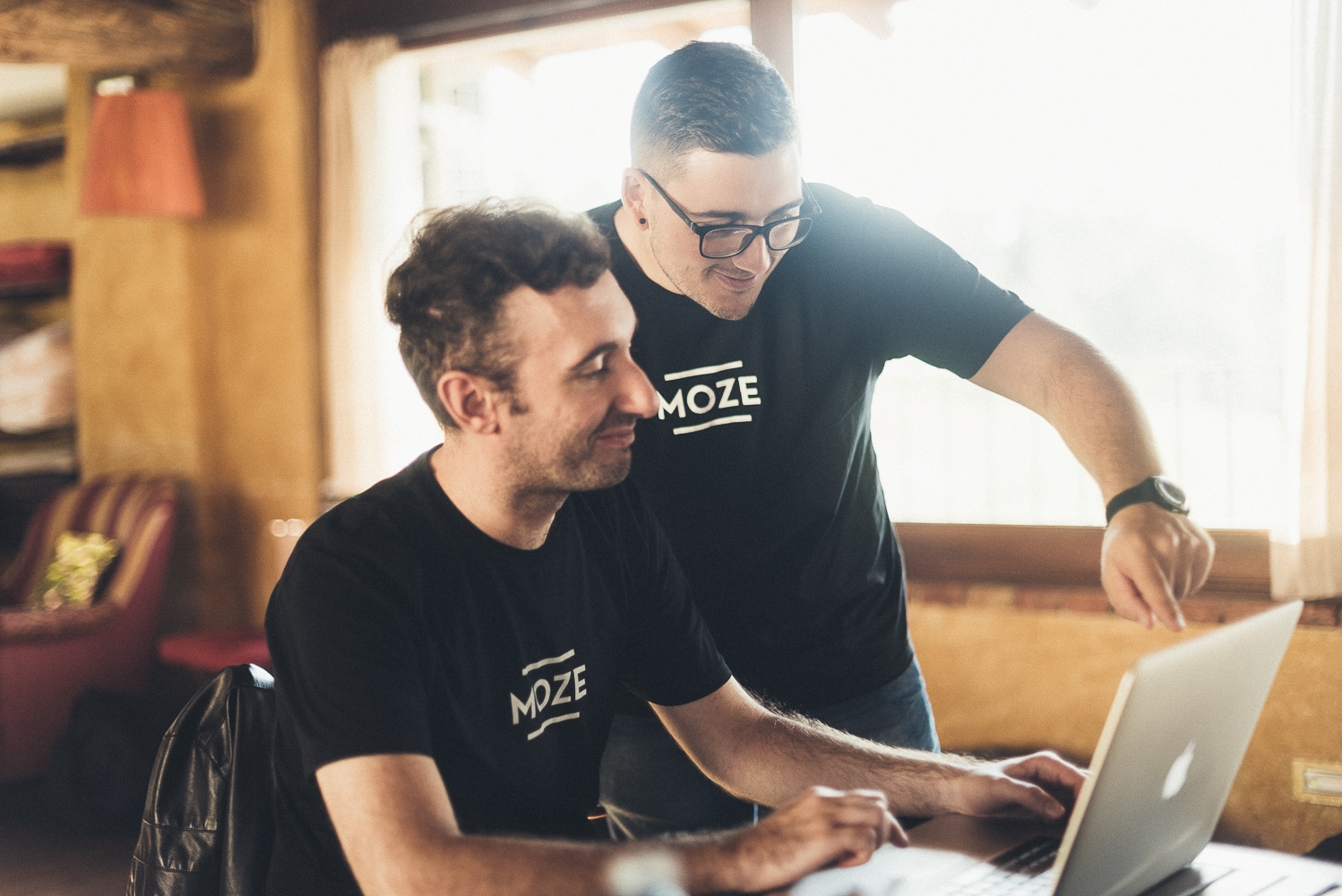
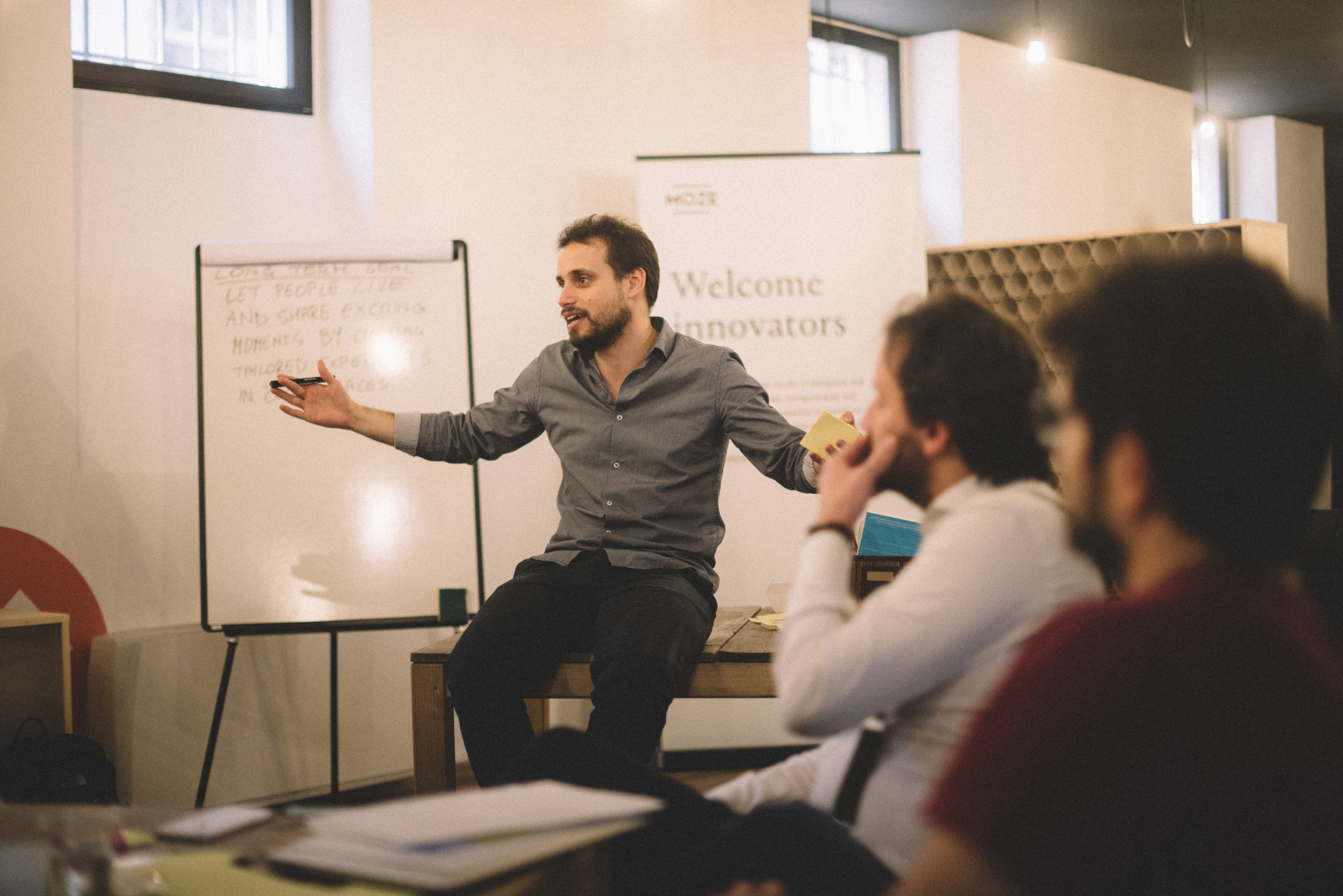
The Co-design Workshop involves designers and developers from our team and your key people. We customize the workshop structure for each project. Usually these activities are included:
Understand
We meet your team to learn more about your product's business goals, the problems it wants to solve, the competitive scenario, etc.
Map
We map the product’s features and UX, using User Story Mapping or other similar techniques.
Interactive prototype
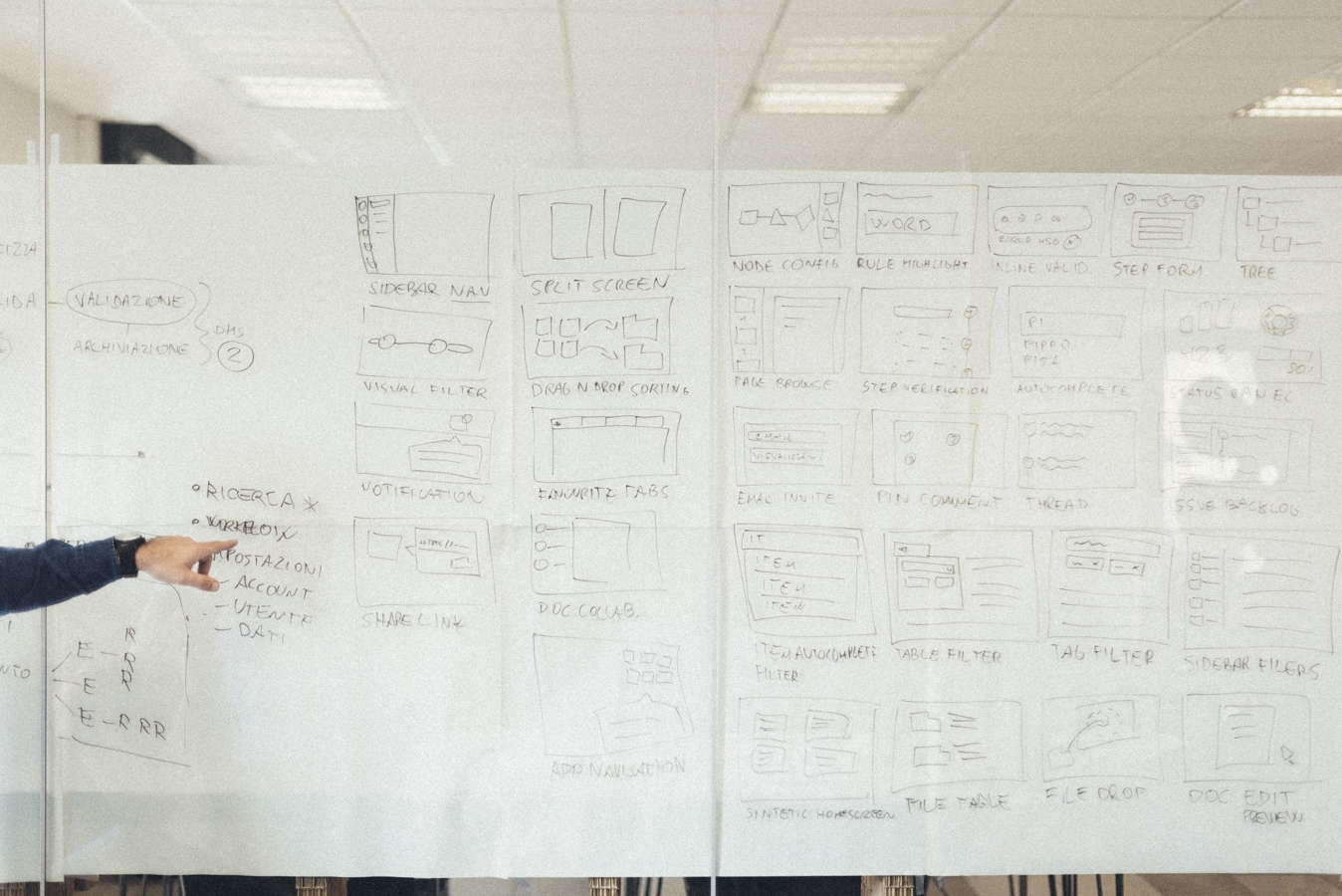
We favour wireframes and quick sketches to explore possible solutions, then create an interactive visual prototype in Figma. A representative cross-section of the user experience helps align internal and external stakeholders and enables a more accurate technical analysis.
Analysis
We carry out the functional and technical analysis needed to prepare the next execution phase: UX/UI design and, when it is part of the project, software development.
Proposal
We produce an operational proposal for product development, which includes the suggested development approach, economic estimates and time estimates.
Massimiliano Magrini Co-Founder & Managing Partner, United Ventures
We’ve got plenty of experience.
Through the Co-design Workshop we helped Giulia by Treccani, Freedome, Tomasi Auto, ModernMT, Dog Heroes, Fondazione Finanza Etica, Liv and many other innovators design new digital products or evolve existing ones.
Claudia Vago Project Manager, Fondazione Finanza Etica
Frequently asked questions
How long does a Co-design Workshop take?
The process usually takes four to six weeks. During this time, we alternate working sessions with the client team and internal design, prototyping and analysis activities. The actual duration depends on the complexity and breadth of the project.
How much does it cost?
The budget is usually between €10,000 and €25,000, depending on the product’s complexity, the breadth of the scope and the work needed to produce an accurate operational proposal.
Does the workshop take place in person or remotely?
We can work both in person and remotely. We choose the most suitable format based on the team, the planned activities and the availability of the people involved.
Who should take part?
The core team includes key people on the client side with the responsibility and knowledge needed to make product decisions. For specific topics, we can invite other experts to contribute in focused sessions—even for just one hour—using a format inspired by the Design Sprint’s “Ask the Expert” activity.
What deliverables will we receive?
We usually deliver an interactive prototype and a document summarising requirements, decisions and technical specifications, where applicable. We also provide an operational and financial proposal for the subsequent delivery of the product or its evolution.
What is the interactive prototype for?
The prototype turns the direction that emerges from the workshop into something concrete and navigable. Its main purposes are to align internal and external stakeholders on the user experience and to provide a sufficiently defined basis for accurate technical analysis.
Can Moze also take care of the next phase?
Yes. After the workshop, we can continue with UX/UI design and software development, either together or separately depending on the project’s needs.
What do we need before we begin?
For a new digital product, you need clear hypotheses about the business model, strategic partners and operating model. For an existing product, we begin by analysing the current state and discussing its issues, goals and opportunities for improvement together.