








We created the Design Vision Sprint for digital projects where, before design can start, you need a clearer idea of what to build.
In six weeks, we help your team bring goals and needs into focus, define the architecture and main flows, and explore possible solutions through simple but working prototypes.
The result is a concrete, shared direction to start design and development from.
It may be the right time if
- You want to rethink a digital product, but it’s not yet clear where to start
- The project involves stakeholders with different goals and priorities
- You need to reorganise an experience with lots of content, users or features
- You want to improve the main journeys and simplify interactions
- You have several ideas on the table and want to explore them before investing in design
- You want to test a new direction through a working prototype
How it works
Four phases to turn complexity into a concrete direction
① Understand
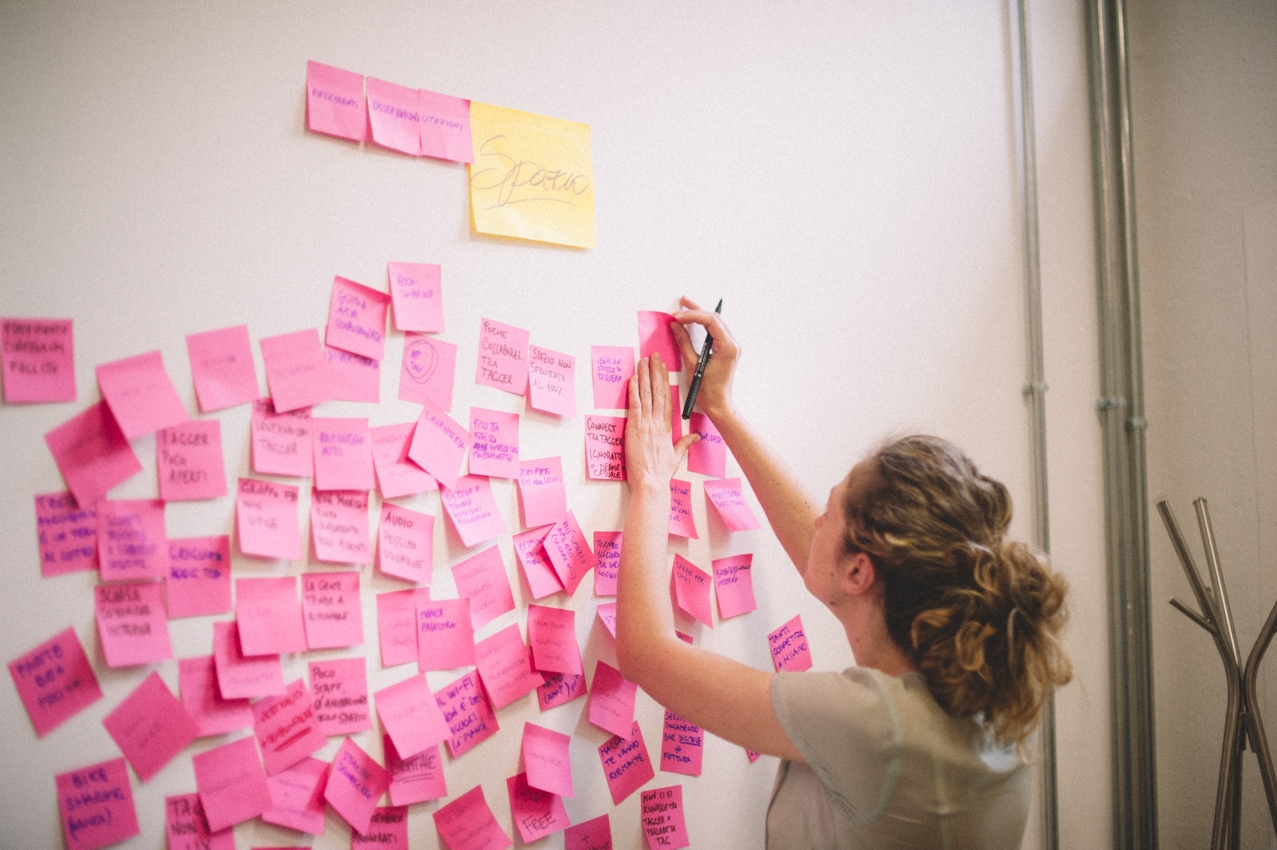
We start from the context and the people who know it best. Through workshops and discussions, we dig into business goals, user needs, processes and the main problems to solve.
We review what already exists, gather the data and material available, and identify the opportunities to focus on. The goal is a shared understanding before anyone starts imagining solutions.
- Goals and user needs
- Review of what exists and of the processes
- Problems, constraints and priorities
② Define
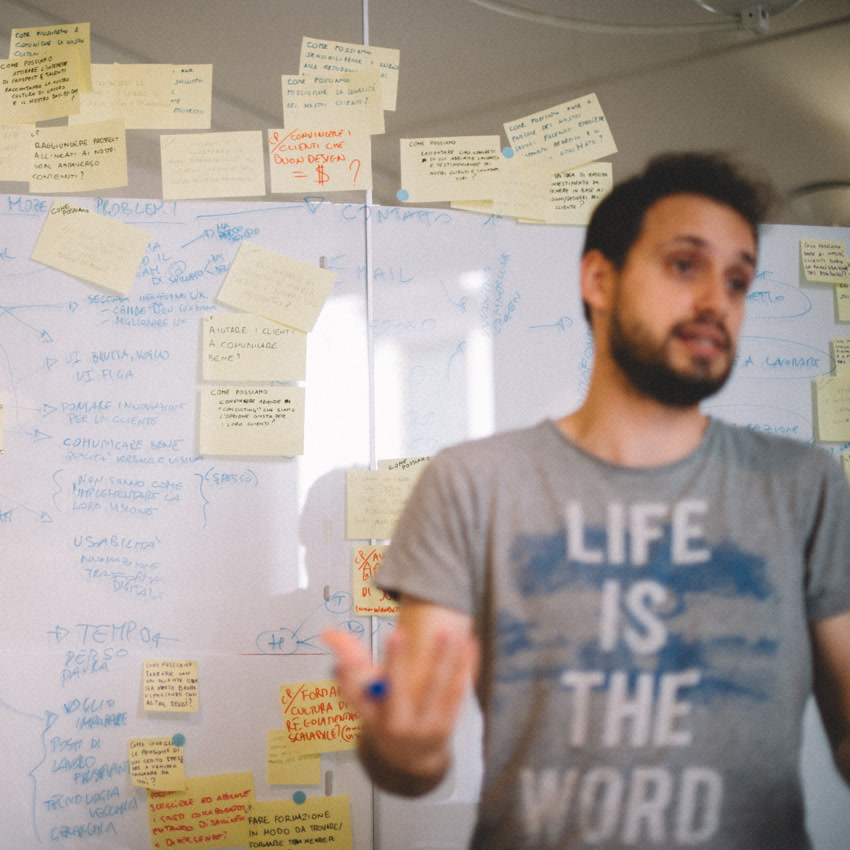
We turn what we’ve learned into a first design direction. We define the principles of the experience, the information architecture, and the main flows and hierarchies.
We bring order to the complexity, surfacing the decisions that matter most and building a structure to start experimenting on.
- Information architecture
- Main flows and journeys
- Principles, structure and hierarchies of the experience
③ Explore
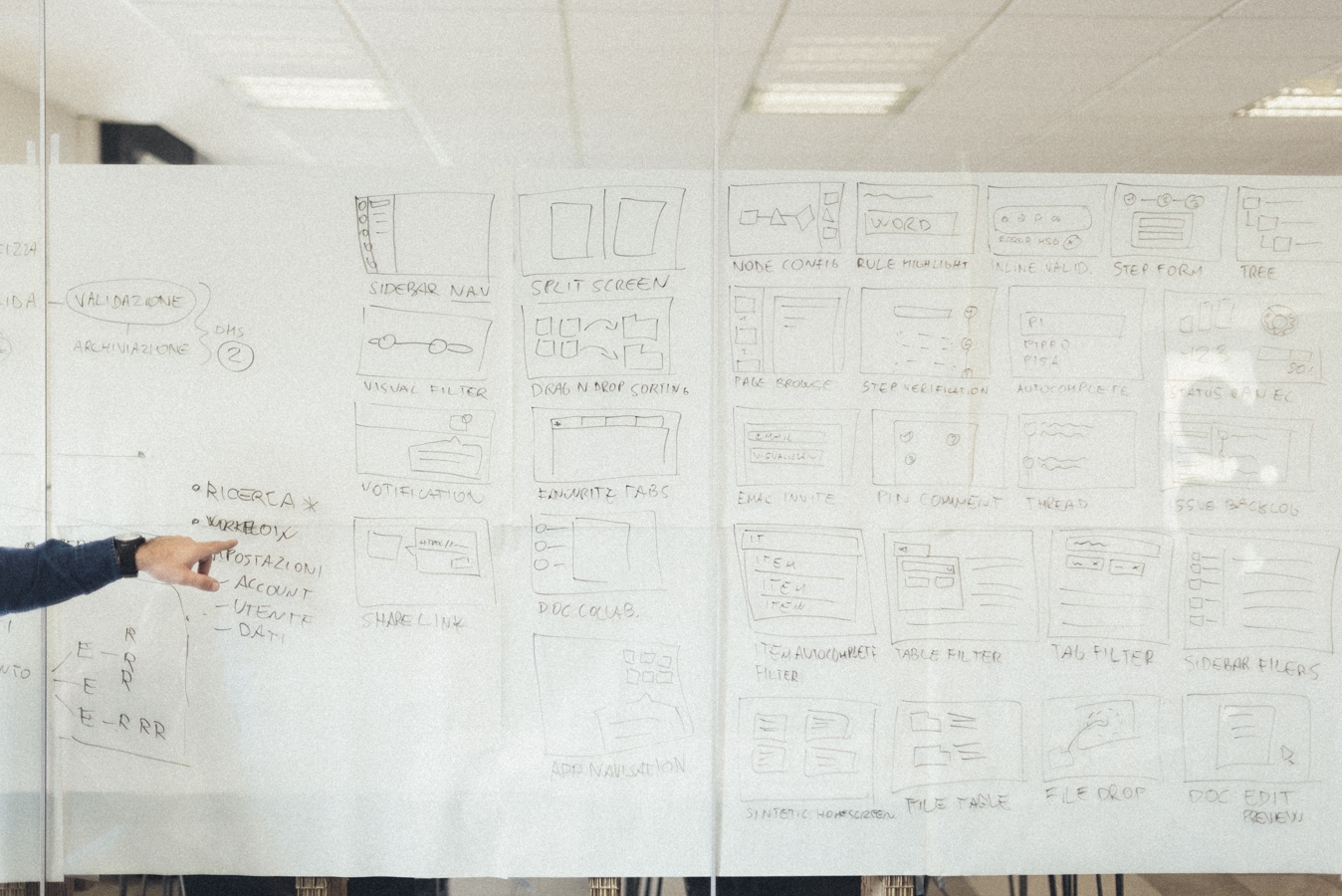
We move from hypotheses to something we can use. With AI and rapid prototyping, we explore different possibilities and build a navigable prototype directly in code, focusing on structure, content, flows and interactions.
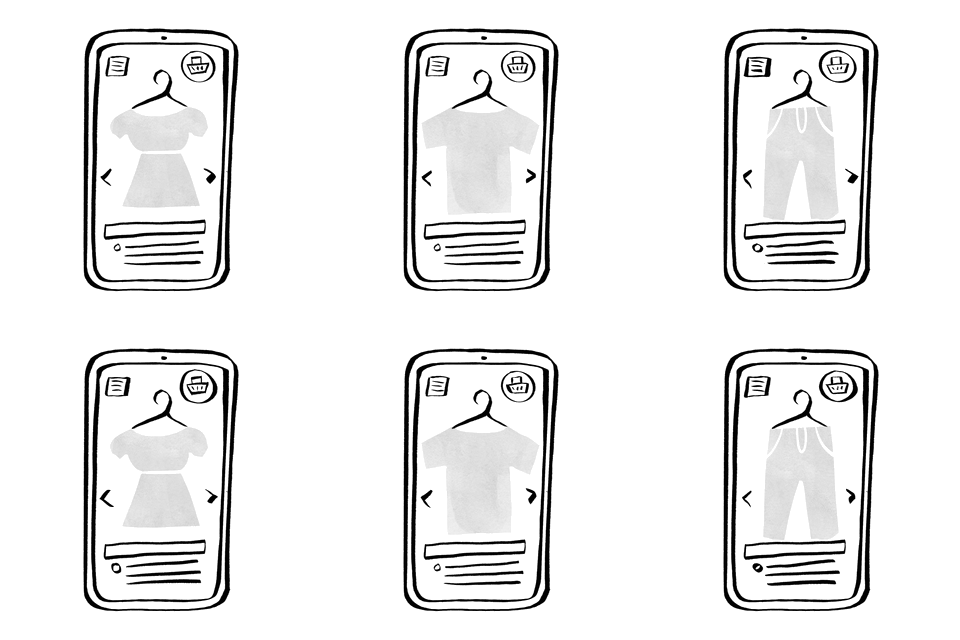
The interface is deliberately bare: we’re not after final visual quality yet, but a fast, concrete way to see what works and what can be improved.
- Exploration of possible solutions
- Working prototype in code
- Representative flows and interactions
④ Validate
We put the prototype to the test with the stakeholders and, where planned, with end users. We gather feedback, test the hypotheses and improve the solution through short iterations. We consolidate the decisions made and set the priorities for the next phases.
The result isn’t an interface ready to be built, but a direction clear and tested enough to start designing with greater confidence.
- Review and validation of the prototype
- Shared decisions and priorities
- Direction and scope of the next project

Krister Bagnkop Mobility Platforms Product Owner, Europcar Innovation Lab

What happens next?
From a shared direction to the project
Custom Websites & Ecommerce
Design Foundation Sprint
Agile Design Sprint
Clear costs,
no surprises
Design Vision Sprint
A shared design direction, with architecture, flows and a working prototype to test the choices before investing in design and development.
- Goals, problems and priorities
- Information architecture
- Main flows and journeys
- Structure and principles of the experience
- Navigable prototype in code
- Validation and shared decisions
Additional services
Custom Websites & Ecommerce
Design and development of custom websites and ecommerce.
Design Foundation Sprint
UX/UI and design system for software products.
Agile Design Sprint
Going deeper into interfaces, flows and features.
Claudia Vago Project Manager, Fondazione Finanza Etica

Before we start, we define the scope together
Before the Sprint begins, we run a short assessment of the project. In a first conversation we explore the context, the main pain points and the team’s expectations, to understand where to focus the work. This is how we decide which problems to tackle, which experiences to explore in the prototype and who to involve during the six weeks.
- Context and goals of the project
- Problems and priority areas
- Stakeholders and people to involve
- Scope of the prototype and of the validation activities
What if the direction is already clear?
Not every project needs an exploration phase.
If goals, architecture and main flows are already defined, we can start straight from the Design Foundation Sprint to build a new UX/UI direction and a design system.
If instead the project is a website whose structure and content are already clear, we can start straight from Custom Websites & Ecommerce.
The Design Vision Sprint is for when the most important decisions are still to be made, not for adding a step to a process that already works.
Who we have helped
Frequently asked questions
Not only. We start from understanding the problem, but we go as far as defining a structure and building a working prototype. We don’t stop at gathering information or producing documentation: we use prototyping to explore solutions and test decisions in practice.
The Design Vision Sprint is for when the goals, the architecture or how the experience works are not yet clear. It mainly works on understanding the problem, exploring solutions and validating a direction. The Design Foundation Sprint starts instead from a well-defined design challenge to build a new high-fidelity UX/UI direction, with a visual language and the foundations of a design system. The two Sprints can complement each other, but they also work on their own.
The Design Vision Sprint costs €15,000 and takes six weeks. It covers goals and priorities, information architecture, main flows, the navigable prototype in code and its validation. If you want to carry on after the Sprint, the Design Foundation Sprint costs €15,000, an Agile Design Sprint €5,000, and a website starts from €30,000.
No, and that’s deliberate. The prototype is there to test structure, flows, content and interactions quickly, without investing in visual quality too early. It’s deliberately bare and can be changed or dropped freely. The final design comes in the next phases.
Because a working prototype lets you explore interactions more concretely than static screens or wireframes. With AI development tools we can build and change navigable experiences quickly, try alternatives and discuss something people can actually use. The code produced isn’t necessarily meant for production.
It depends on the problems to solve. We can work on the overall structure of a product, go deep into one particularly important journey, or explore a few representative features. The scope is agreed during the initial assessment, choosing what lets us make the most relevant decisions in the six weeks available.
We don’t try to tackle every detail in a single Sprint. We start from the big picture and identify the priority areas to focus on. We can define the overall architecture and use the prototype to go deeper only into the most significant journeys, leaving the detail of the other parts to later phases.
When it’s useful and fits the agreed scope. We can start from data, research and knowledge already available, involve stakeholders and expert users, or plan validation sessions with people representative of the end audience. The activities are defined before the Sprint, based on the goals and on access to users.
We don’t necessarily produce the final copy. When the project calls for it, though, we work on the narrative, the hierarchy of messages and how content is organised, using real material to check that the structure of the experience works. The final writing can be tackled while the project is built.
That’s one of the reasons it exists. Exploring alternatives and changing a solution while prototyping costs far less than doing it once the project has already been designed and built. The Sprint also helps spot the hypotheses that don’t work, before investing further.
Yes. We deliver the architecture, the flows, the prototype and the documented decisions, so the team can use them as a starting point for design and development. The Design Vision Sprint is a complete project even with nothing after it.
No. It’s particularly useful for complex software, platforms, strategic websites and applications, but it can also be applied to the interfaces of devices and machines. The starting point isn’t the technology: it’s the need to understand a problem, define an experience and test a solution before building it.
Yes. We can continue with the Design Foundation Sprint, go deeper into single experiences with the Agile Design Sprint, or take care of the design and development of a website. We can also work alongside the in-house team, using the work done as the basis for the next phases.