












We take on the whole path: understanding the goals, content architecture, UX/UI, development, migration, launch and the support that follows.
We come in when your website or ecommerce can no longer keep up with your company’s growth, or when it has to be built from scratch alongside the brand. Before designing pages we understand goals, audience, content, processes and technical constraints. Through co-design and prototypes we quickly turn decisions into something concrete, which we can discuss and check together.
Every choice connects brand, user experience, content and technology. When the brand needs rethinking before the site, we start with the Brand Sprint: in six weeks we define the visual identity the site will carry.
It may be the right time if
- Your website works, but no longer represents your company
- Your brand has grown or your offering has changed
- Content has piled up and the structure has become hard to manage
- The experience no longer conveys the quality your business has reached
- The site has to support new goals in communication, growth or sales
- Your ecommerce needs a more effective, more consistent buying experience
Design and development in the same team
Designers and developers work together from the earliest stages. The interface is designed knowing how it will be built, and development stays faithful to the decisions taken during design. For us, custom means designing UX/UI and front-end specifically for the project, adding only the technical complexity that is genuinely needed and keeping dependencies and hard-to-maintain components to a minimum.
Our approach
What makes the way we build websites and ecommerce different
Design comes first
We design every website from scratch, starting from the brand and the experience we want to build. We do not adapt existing themes or templates: we define a visual language, a component system and an interface that represent the company.
- Custom UX/UI
- Visual direction
- Component system
We build a solid narrative
We start from the company’s real material and turn it into a structured narrative. We define hierarchies, paths and relationships between the content before translating it into pages and interfaces. That way the website is not a pile of pages, but a structure that leads readers to what the company wants to say.
- Narrative and hierarchies
- Content architecture
- Prototypes with real content
Short cycles, constant feedback
We work in short iterations, putting structures, content and clickable prototypes on the table early. We share soon, gather feedback and correct course before spending too much time on details. This lets us decide faster, cut needless steps and keep the project focused on what matters.
- Short iterations
- Ongoing discussion
- Visible progress
Technical quality is part of the project
Technology does not arrive after design. From the start we weigh CMS, integrations, migrations and technical requirements, with designers and developers working on the same project. Performance, technical SEO and accessibility are considered throughout design and development, not added as final checks.
- Integrations and migrations
- Performance and technical SEO
- Accessibility
Marko Maras Founder & CEO, Trustfull

The right technology for the project
We weigh content, experience, integrations and technical requirements

WordPress

Next.js

Shopify
Clear costs,
no surprises


Essential Website
A custom corporate website, designed and built to represent the brand clearly and to be run by your team on its own.
Complex Website
For more elaborate websites, with a lot of content, several markets, integrations or specific technical requirements.
Ecommerce
A custom Shopify ecommerce, designed around the brand and the buying experience, and simple to run after launch.
A system that stays simple after launch
A project also succeeds when the client’s team can run it on their own. We design the CMS, the editorial blocks and the management flows around the people who will publish content and update pages, products or campaigns after go-live. We cut unnecessary dependencies and complexity so the system stays understandable and maintainable.
Where needed we also take on migrations of content and data, and integrations with catalogues, databases, CRMs, marketing systems, payment services or proprietary APIs.
Massimiliano Magrini Co-founder & Managing Partner, United Ventures

Websites and ecommerce since 2012
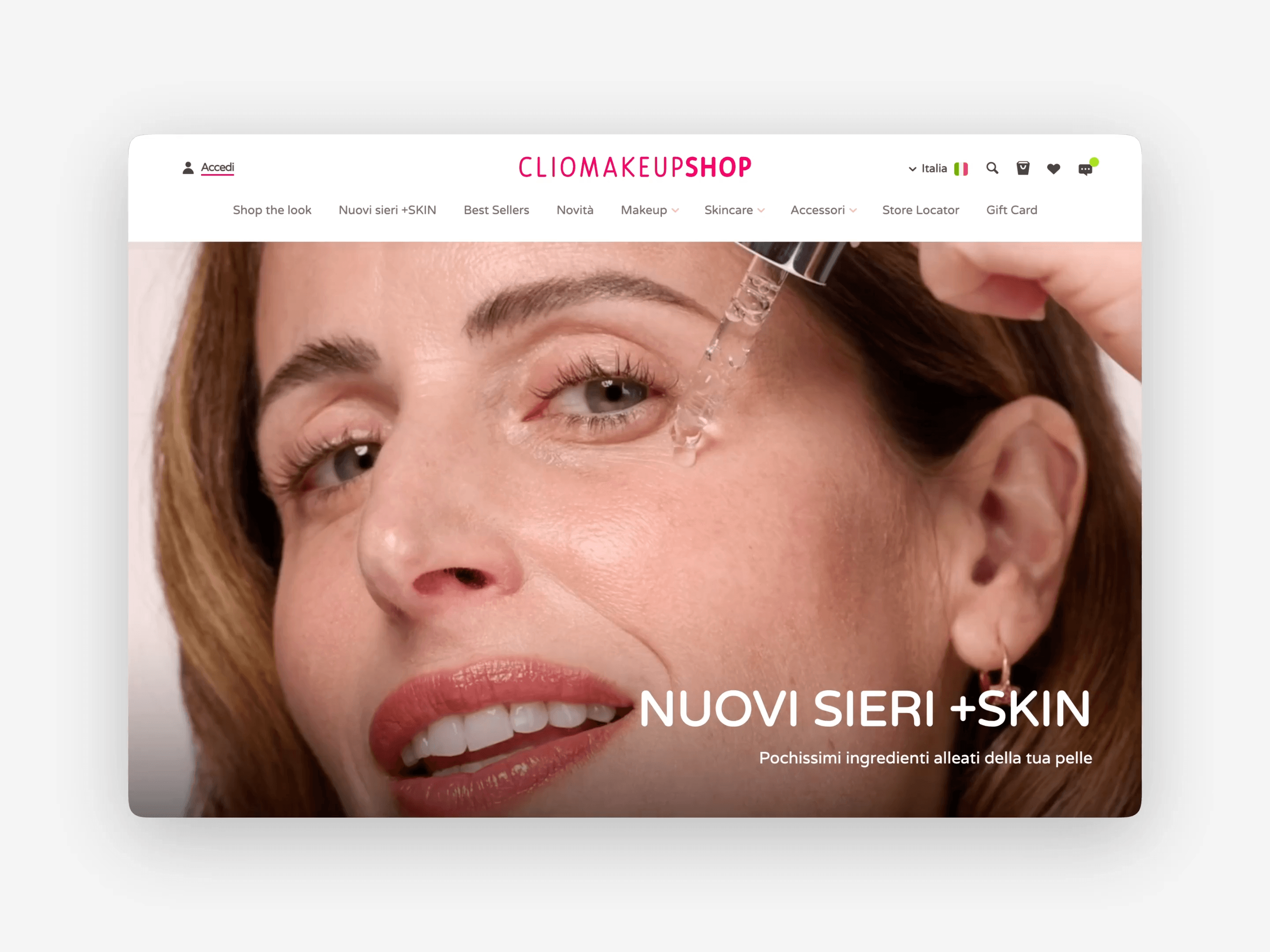
Since 2012 we have designed and built digital products, websites and ecommerce among them, for companies in many sectors. For ClioMakeUp we built the Shopify ecommerce that took more than 28,000 orders in a single day on Black Friday 2022.
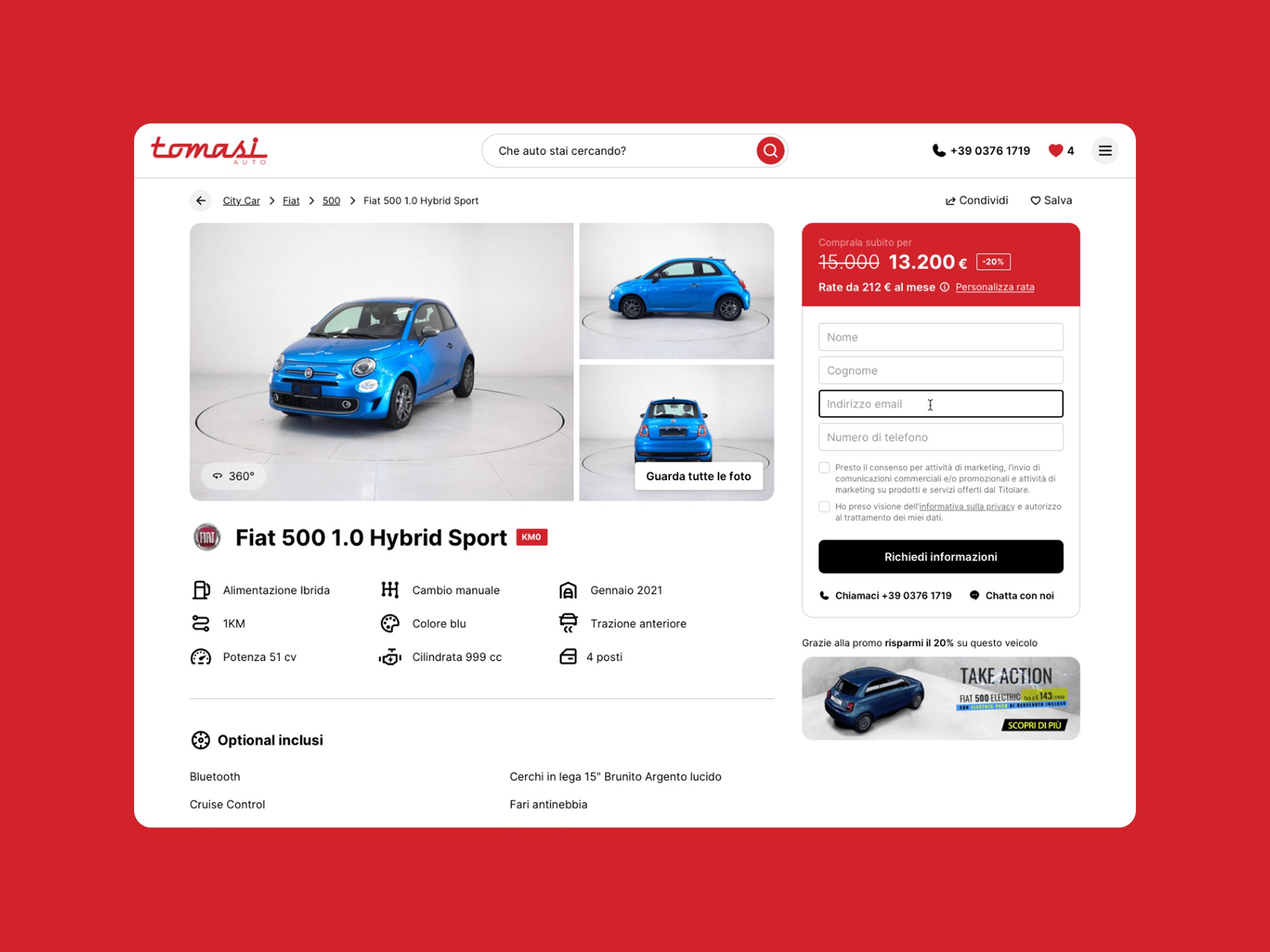
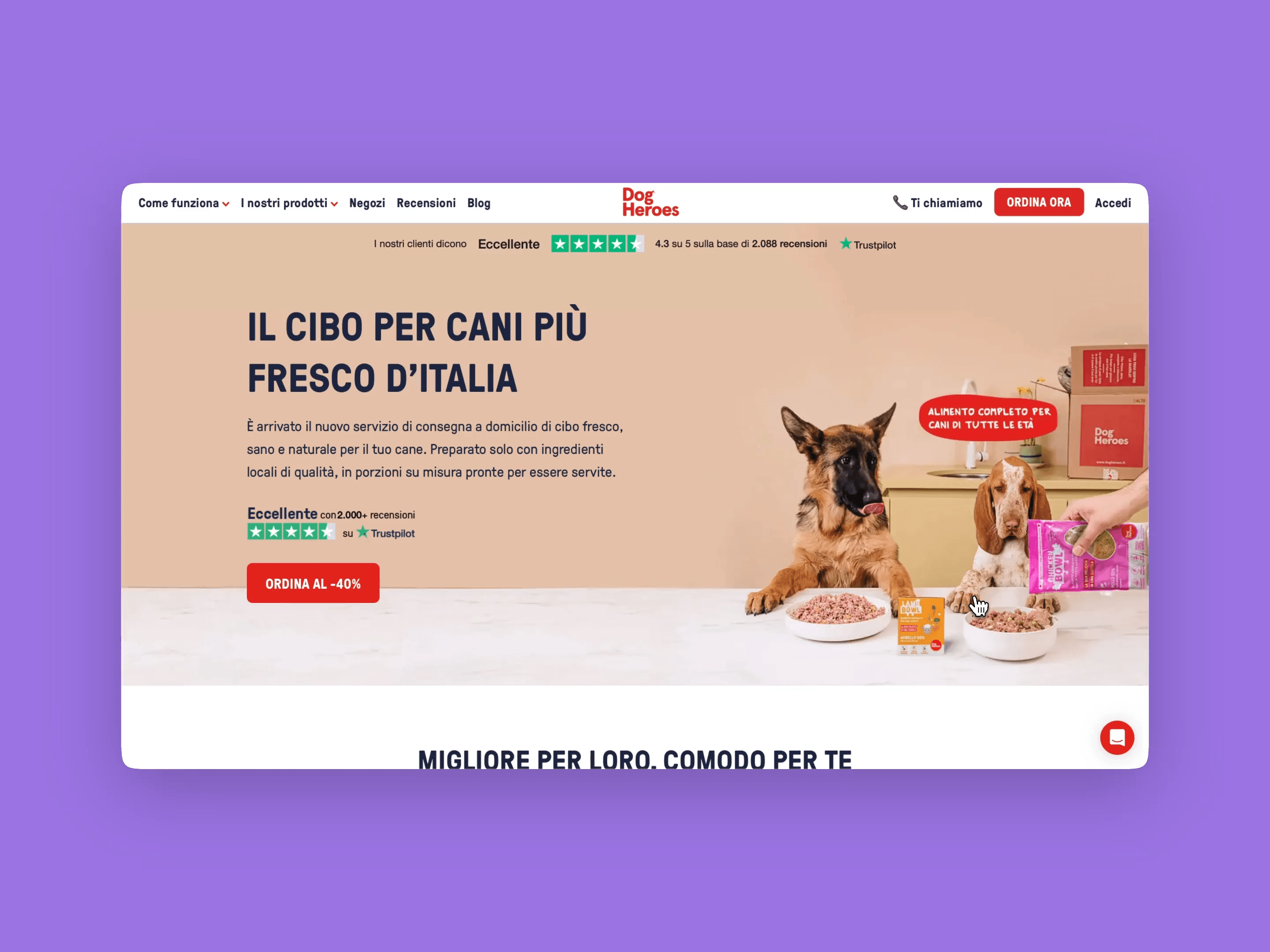
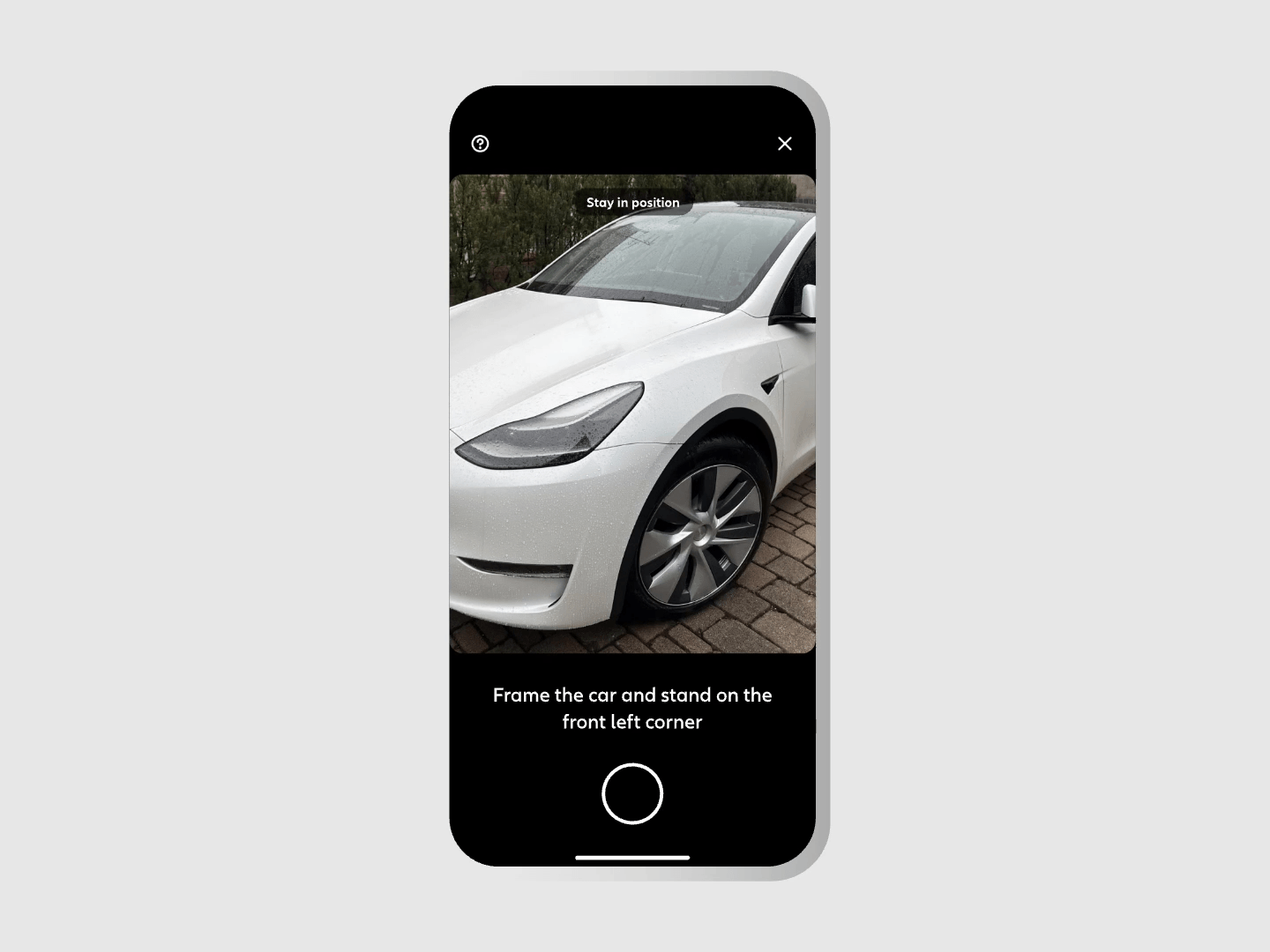
We worked alongside the founders of Dog Heroes from the start, designing and building their ecommerce, and we evolved the web platform of Tomasi Auto, Italy’s leading independent multi-brand dealer, around the experience of choosing and buying a car.
Who we have helped
%2Fimages%2Fcardcover.png&w=3840&q=100&dpl=dpl_FhnekdxaCMBFfjT1MJ6yT2aYb8sH)
Frequently asked questions
For companies that treat digital as a strategic channel and want an external team to take responsibility for the project from analysis to launch, working with internal teams and other specialists where needed.
No. We design UX/UI and front-end specifically for the project. On WordPress we build custom themes; on Shopify we develop custom themes on the platform and integrate selected apps where they are needed.
It depends on the project. WordPress suits corporate and editorial websites particularly well; Next.js suits more bespoke front-end experiences or specific technical or security requirements; Shopify suits ecommerce projects. In Next.js projects we then choose the most suitable way to manage content, using Sanity, for instance, where a headless CMS is needed.
An Essential Website starts from €15,000 and 4 weeks, a Complex Website from €30,000 and 8 weeks, a Shopify ecommerce from €25,000 and 6 weeks. The quote depends on the amount of content, the integrations, the migrations and the markets involved.
Copywriting and photography are not normally part of the project, nor are ongoing SEO strategy and organic acquisition. Hosting, updates and maintenance after launch are set out in a dedicated agreement.
Yes. We can handle the migration of content, catalogues and data, including the transformations the new model requires and the continuity of URLs where that matters.
We design and build websites with technical SEO in mind: semantic structure, performance, indexability and correct handling of migrations. Ongoing SEO strategy, content marketing and organic acquisition normally stay with dedicated specialists.
Yes. Performance and Core Web Vitals shape the decisions on architecture and development from the start and, where the project calls for it, we work to meet the WCAG 2.1 AA accessibility requirements.
Yes. We can keep looking after hosting, updates, technical maintenance and later development through a dedicated agreement.
Yes. We can work with branding, communication, SEO or infrastructure partners and other specialists, defining responsibilities and points of integration during the project.